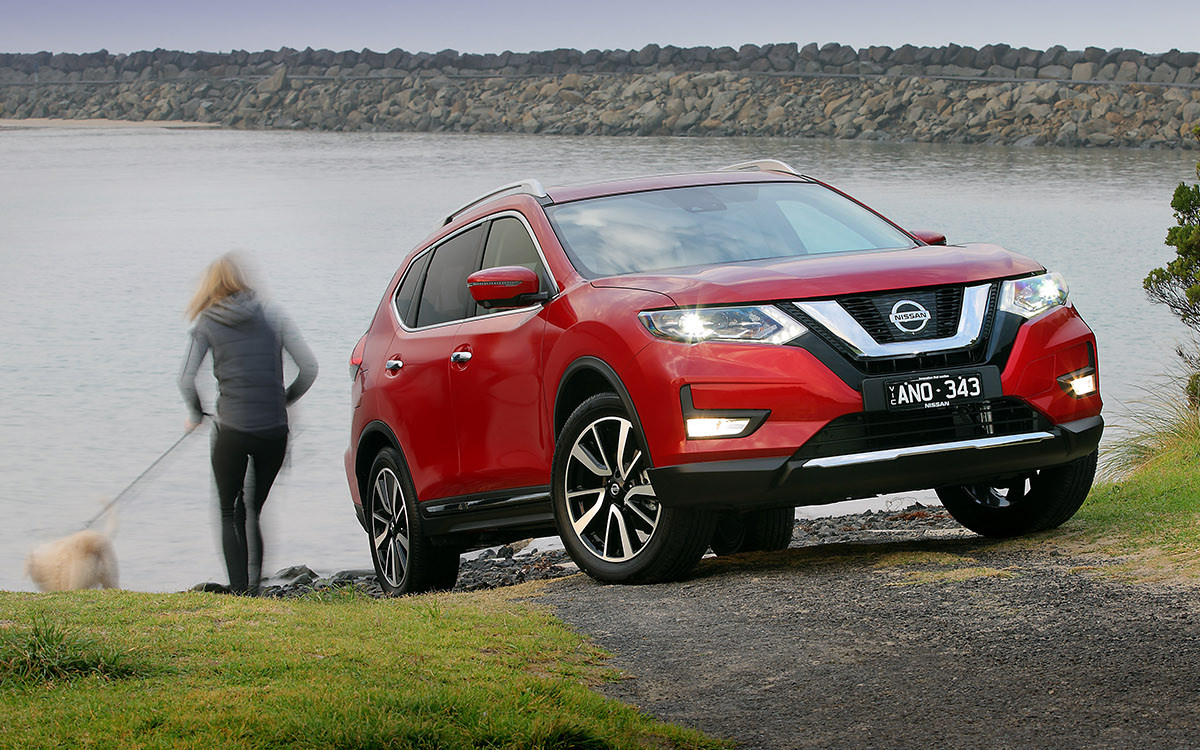
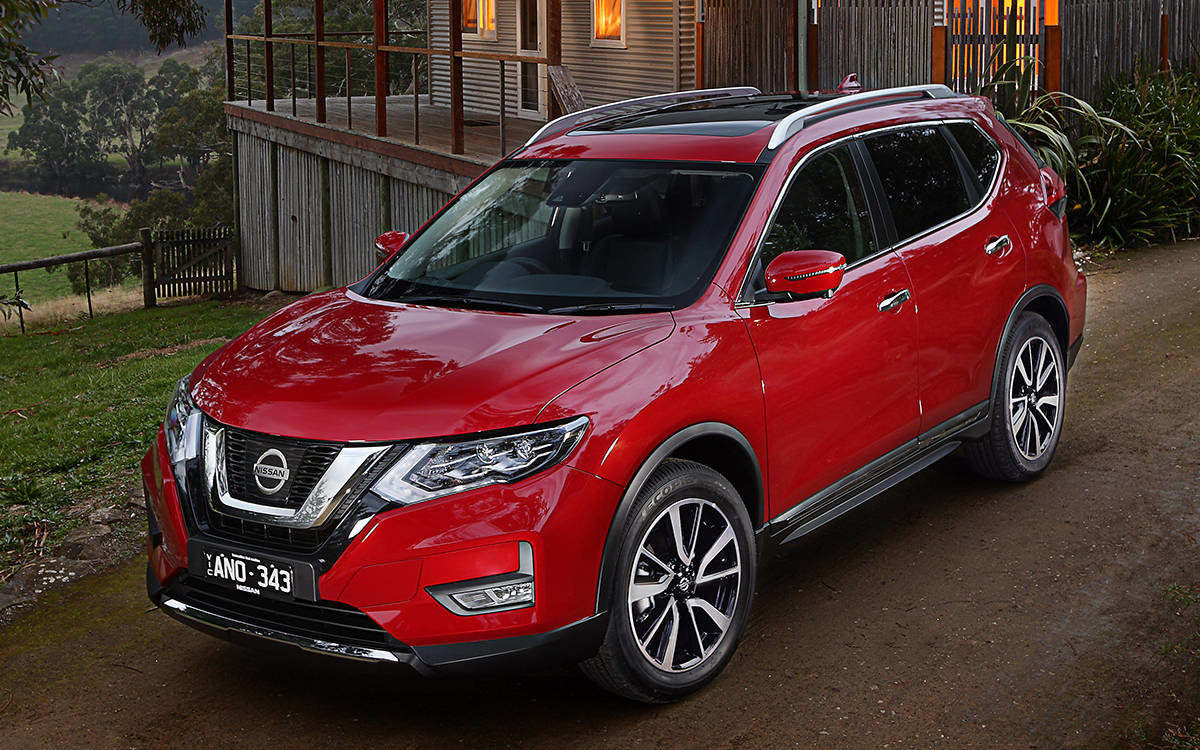
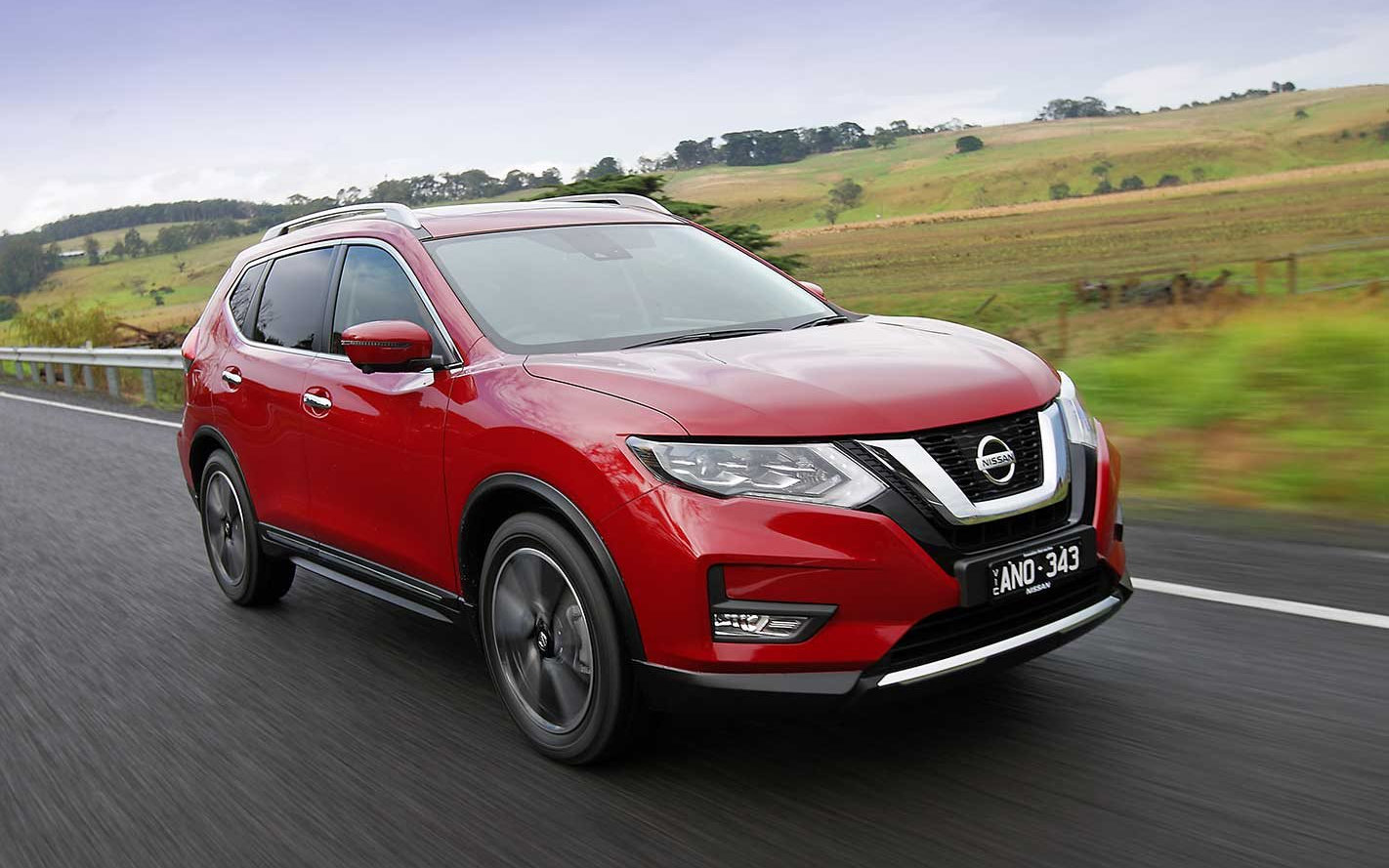
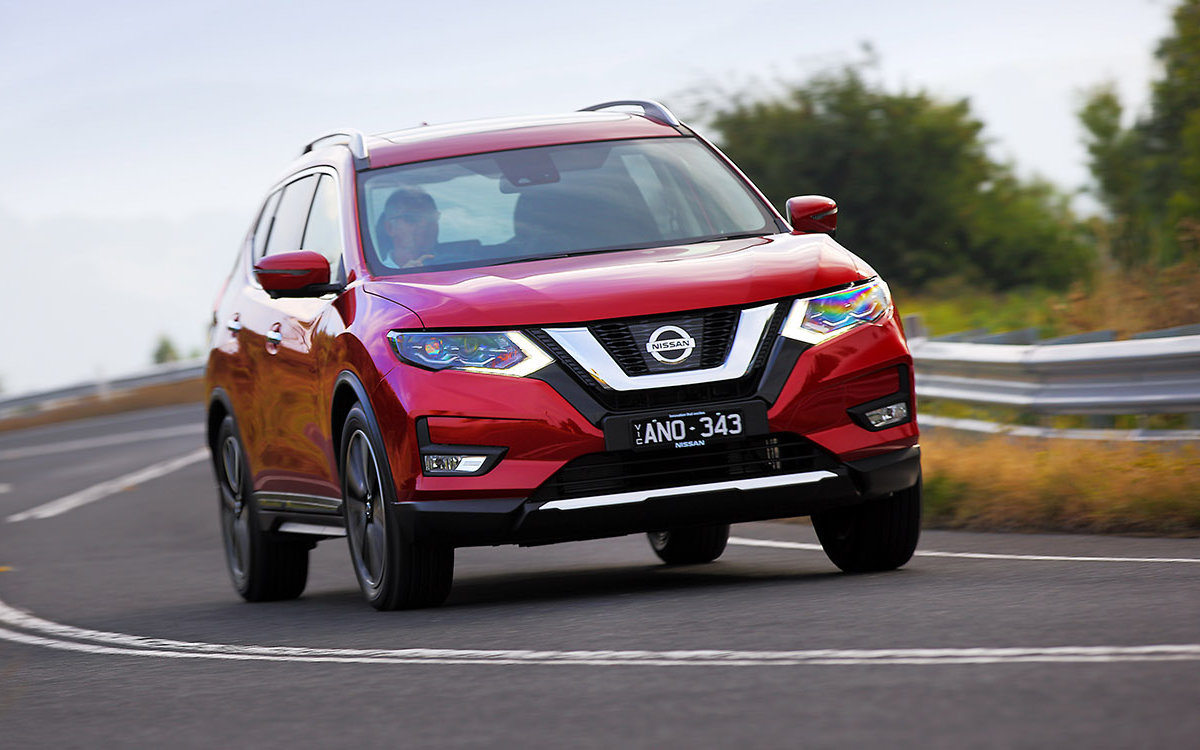
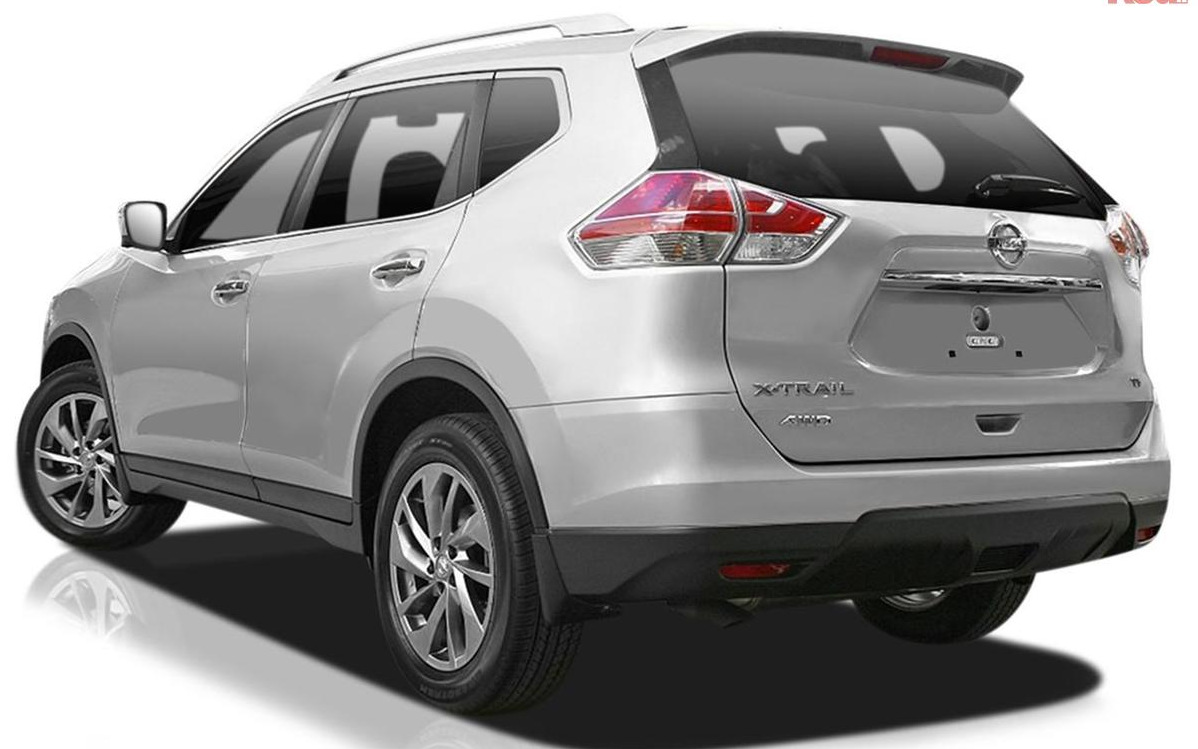
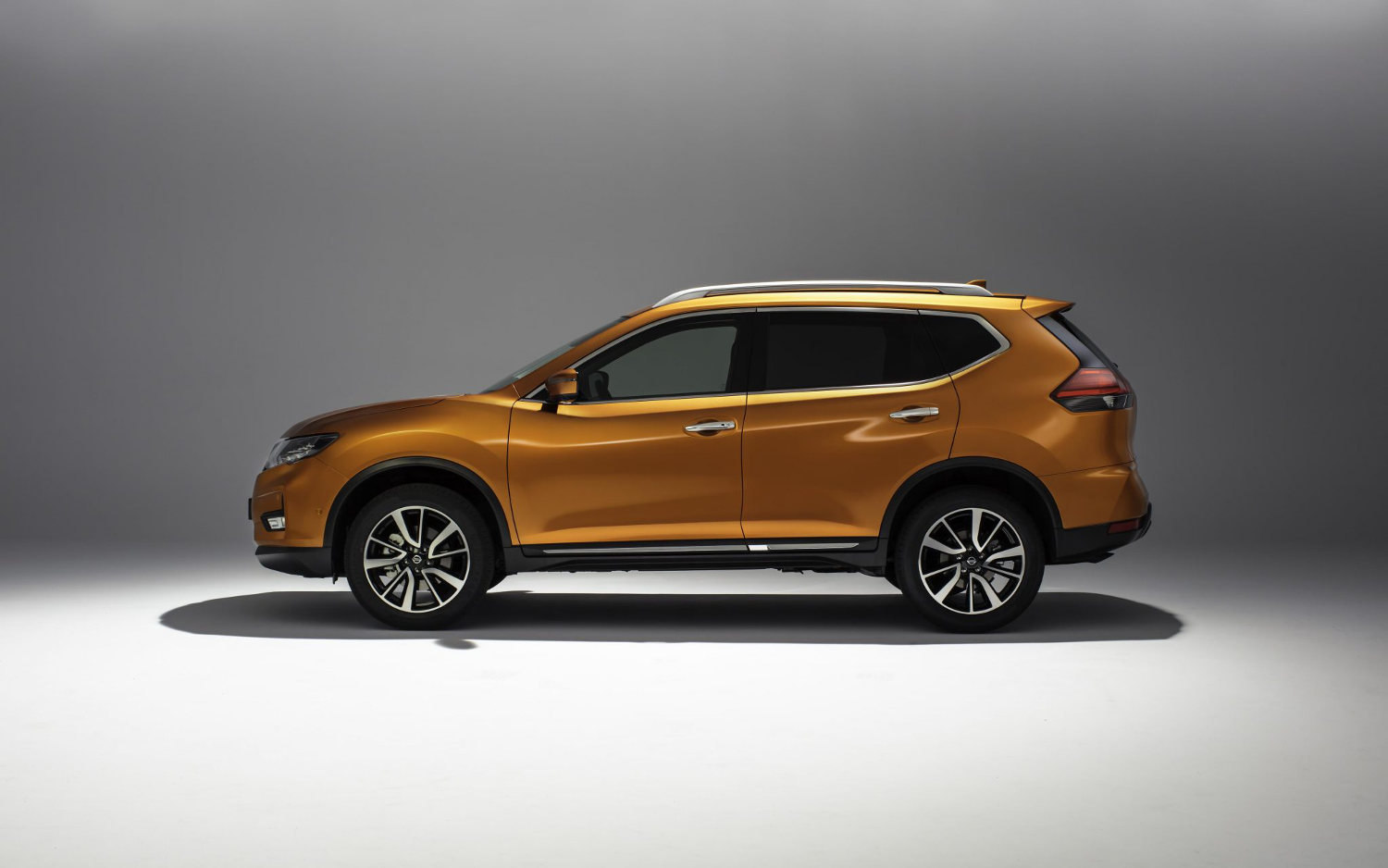
The revised SUV features the bold and broad new version of the company’s corporate V-motion grille, as well as revised headlights, new front and rear bumpers, and revised tail-light graphics. New additions to the range include 19-inch alloy wheels on top-end models, and an automatic tailgate that’s operated via a motion sensor under the rear bumper. On the safety front, the revised Rogue gains the option of adaptive cruise control, and forward emergency braking with pedestrian detection.
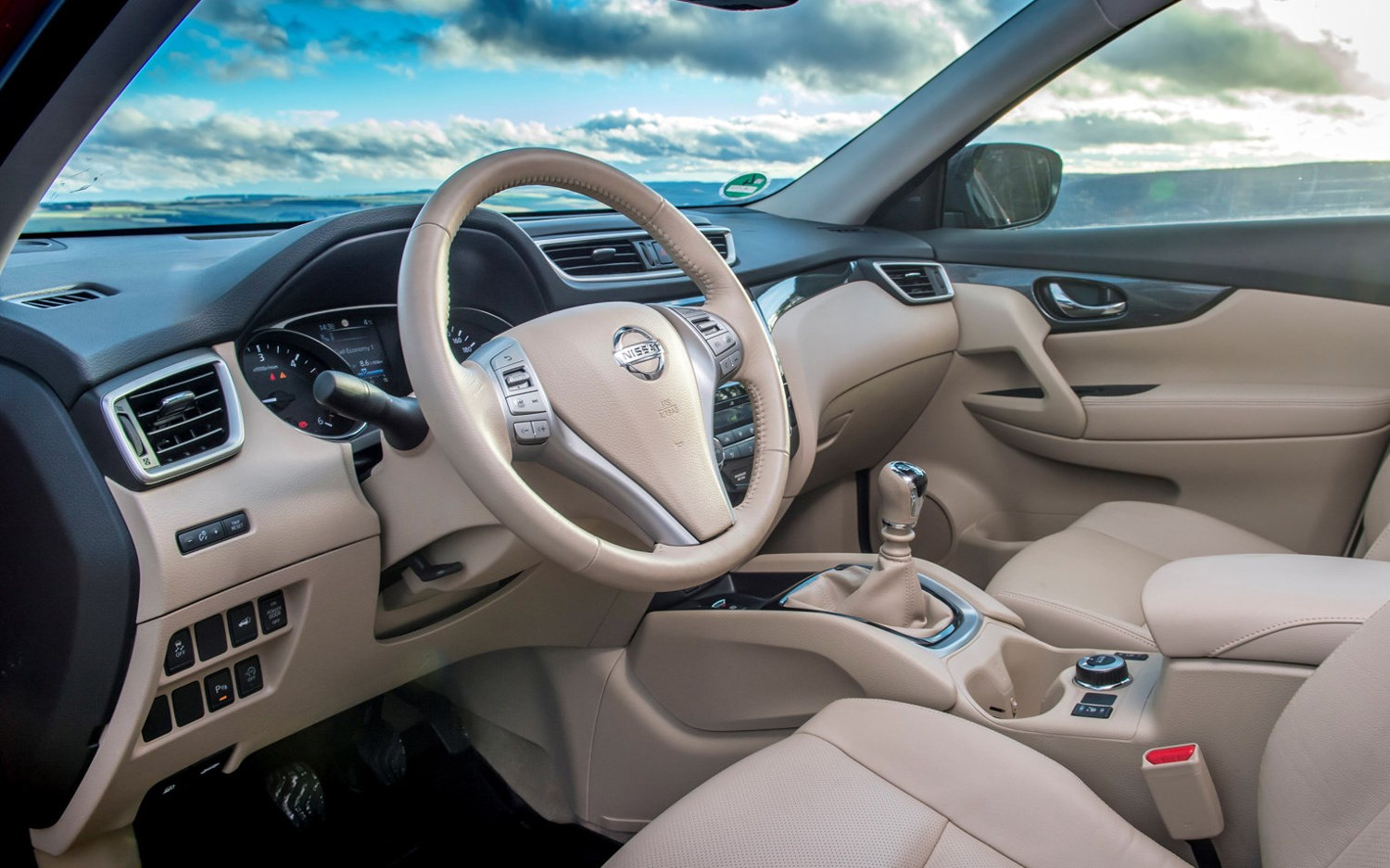
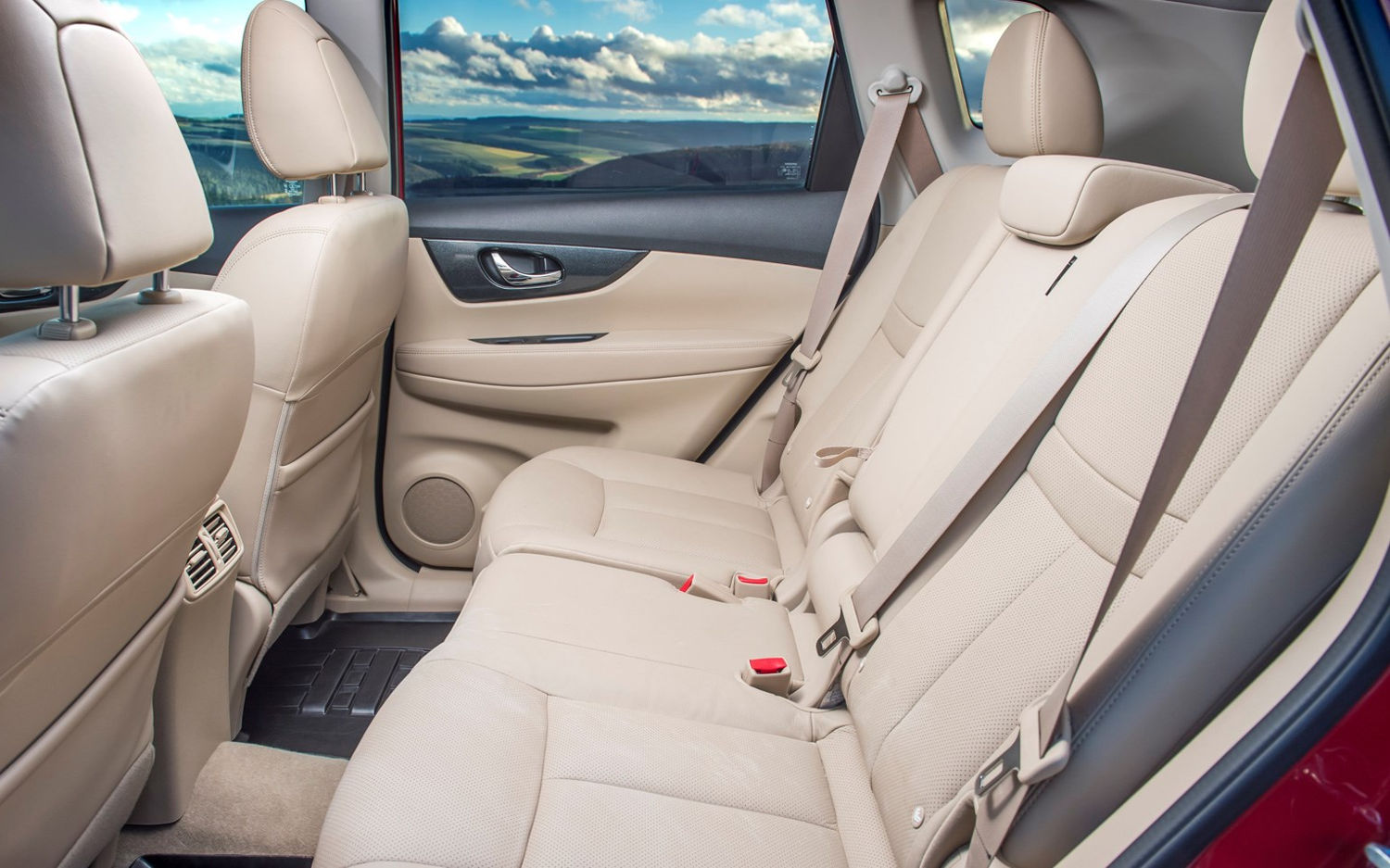
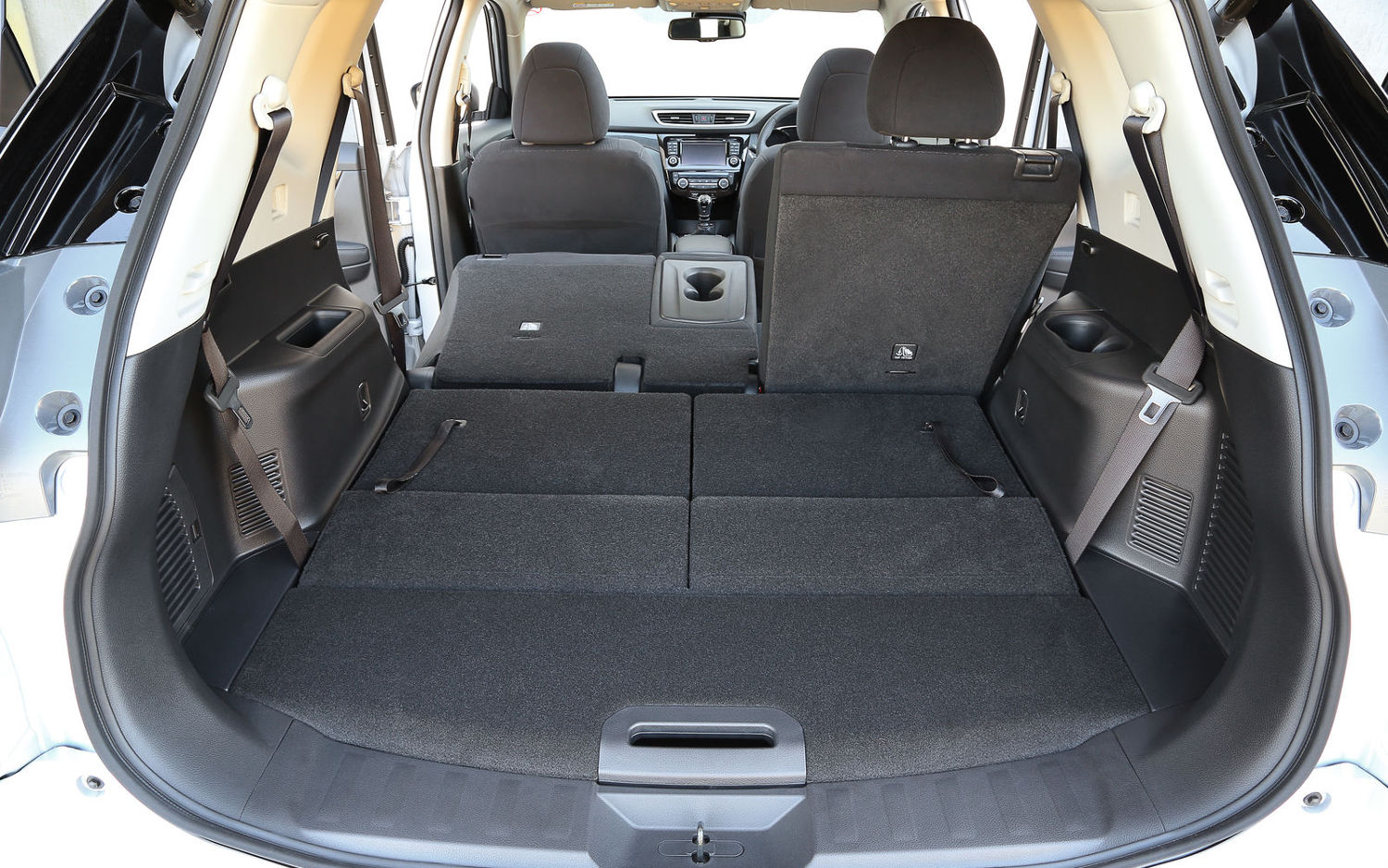
The seven-seater Nissan X-Trail is currently the biggest SUV the firm builds. It’s a good-looking family car that rivals the Hyundai Santa Fe, Kia Sorento and the Skoda Kodiaq. The X-Trail’s interior has a similar design to the one found in the Nissan Qashqai, so it’s simple to use if a little uninspiring to look at, and the car’s standard five-inch touchscreen display means there isn’t a sea buttons to contend with. While there is plenty or room for five adults inside, the two seats that fold out from the boot are best reserved for children. Even with them in place, though, the X-Trail has enough boot space for a few suitcases.
Pros Comfortable Well-equipped Decent off-road
Cons Third row seats are a bit cramped Not exactly head-turning looks CVT automatic is not as good as rivals with DSG
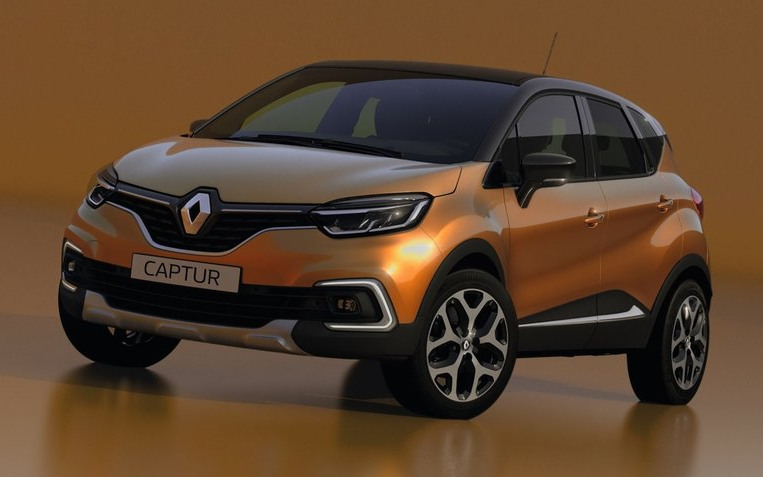
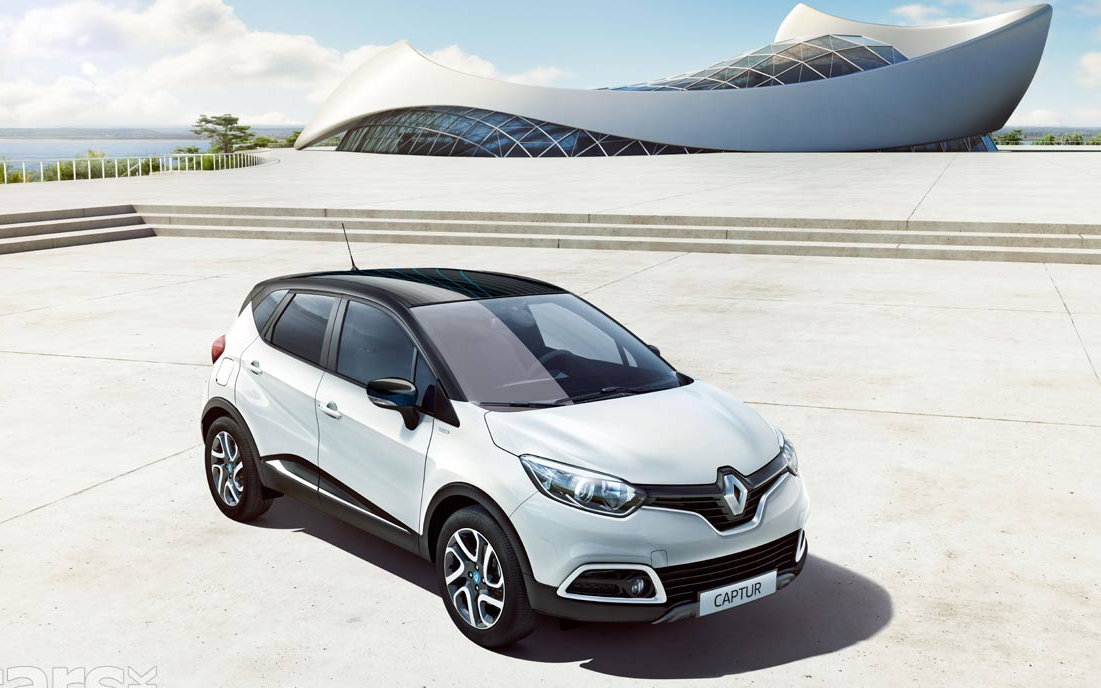
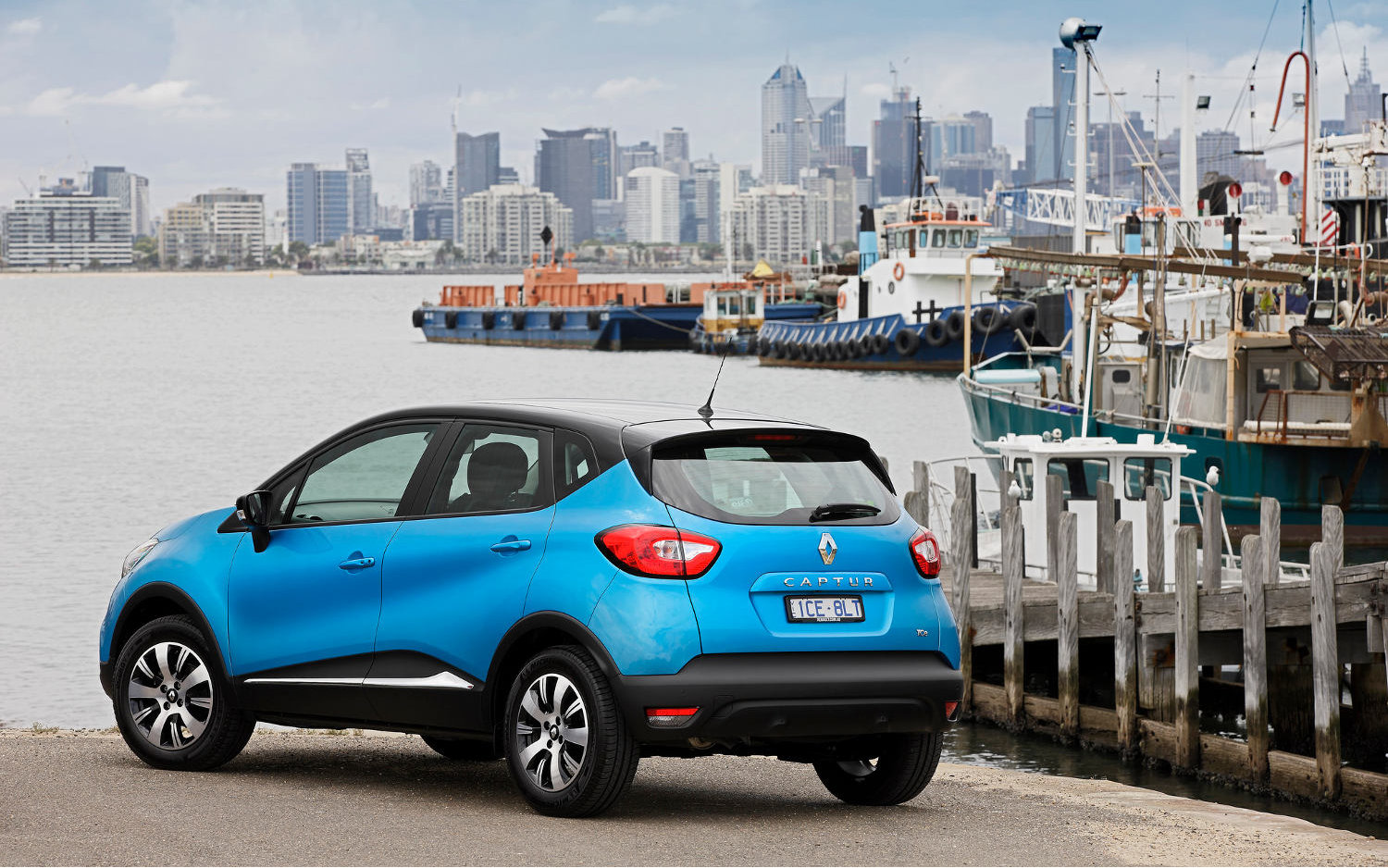
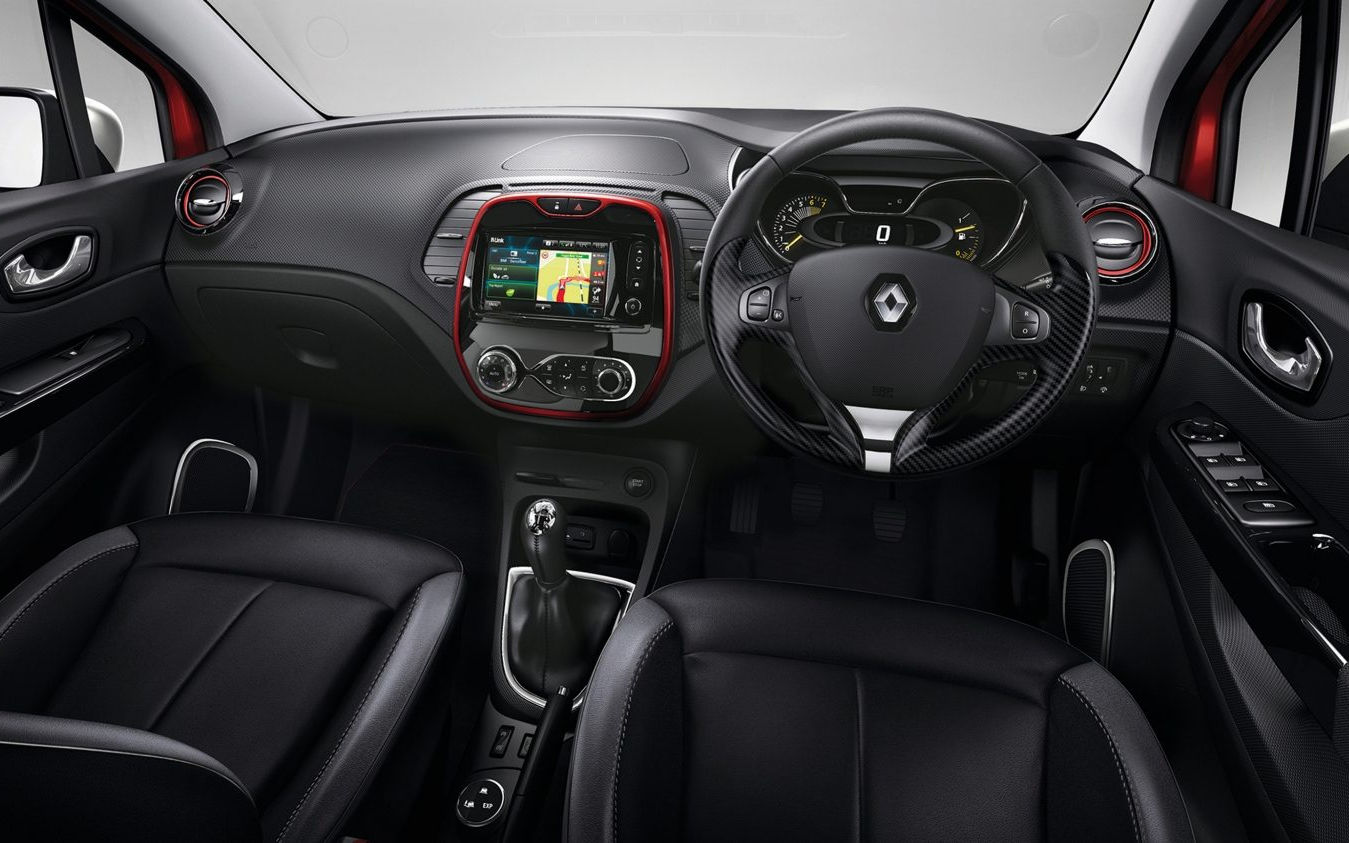
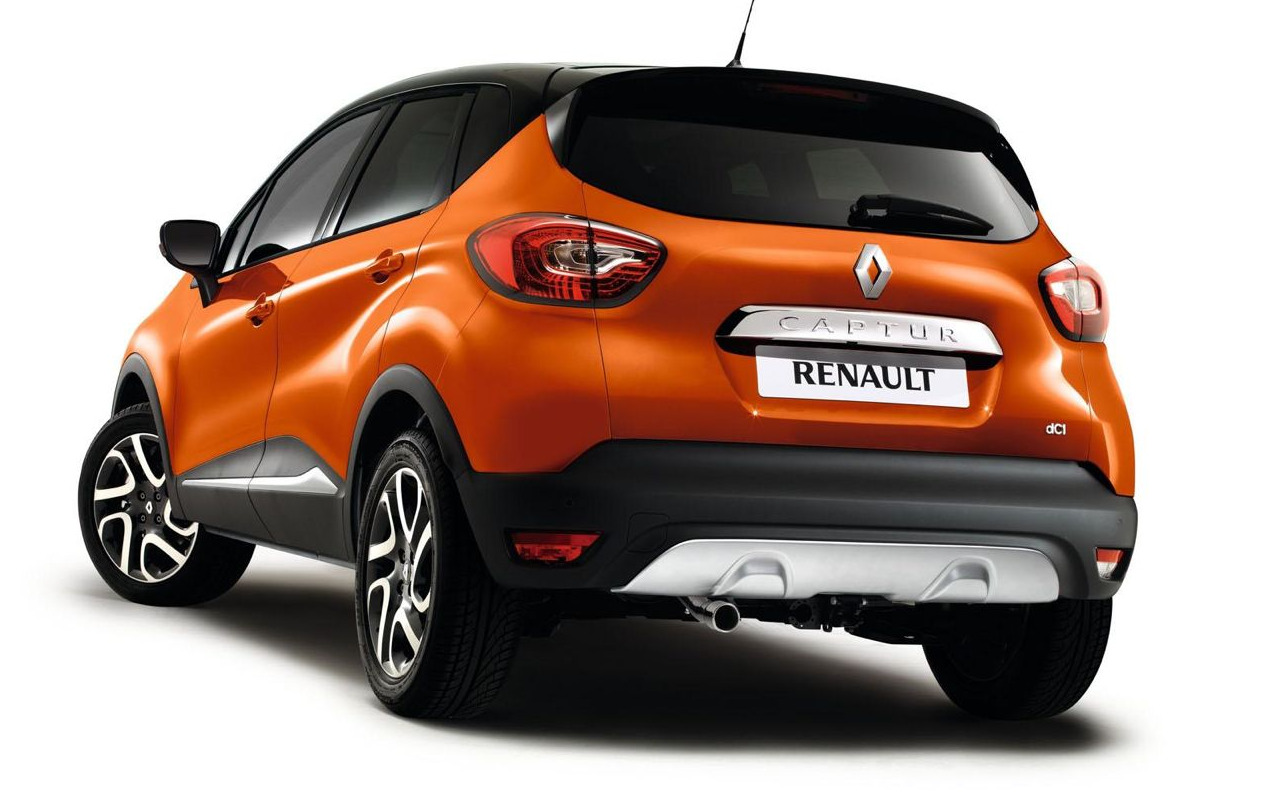
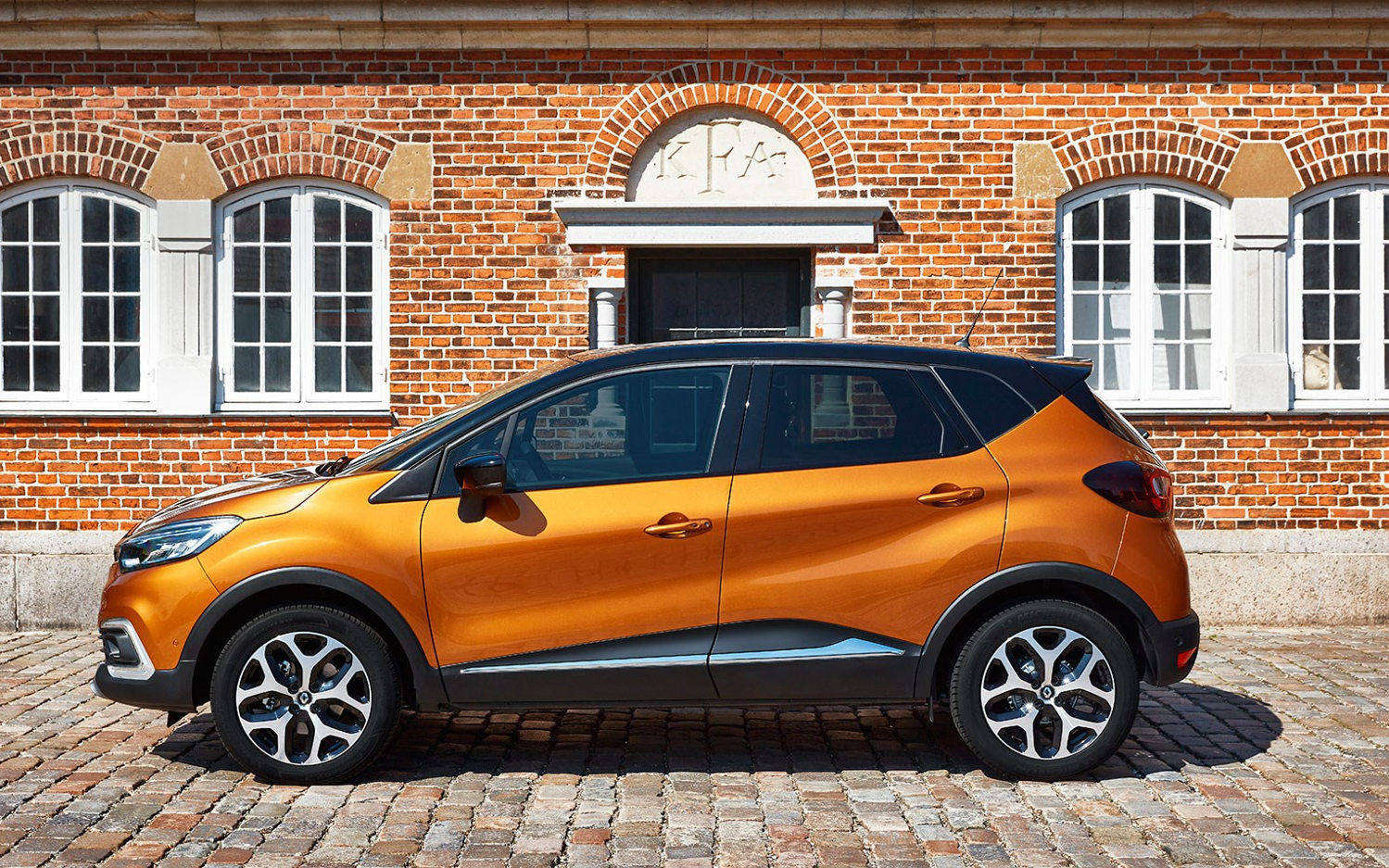
A refreshed version of Renault's popular Captur SUV is revealed at the Geneva motor sporting new features including an updated colour palette, LED lights and the option of a panoramic glass roof.The facelifted Captur will have 30 potential colour combinations, along with six different interior trims, giving it great potential for personalisation. The new Captur has a more upmarket look and a stronger family resemblance to its larger Kadjar and Koleos SUV siblings thanks to a grid-like design featuring upper trim strips either side of the oversized Renault badge.
The French brand’s small SUV has been revamped with a range of changes inside and out, in a move that Renault will hope see the Captur remain on the shopping list for compact crossovers – locally, we’re talking: in Europe it was the biggest selling model in that segment last year, with a huge 215,670 sales. The facelifted model comes almost four years after the Captur went on sale globally, and it brings updates to its styling such as new LED headlights on some models with C-shaped LED daytime running lights integrated into the lower bumper. The rear lights, too, are LED and have a similar design. The grille has been redesigned to make it look more like the bigger Kadjar (not sold here), with a chrome strip highlight. There are skid plates on the front and rear bumpers, too. There are four new wheel options available – two 16-inch designs, and two 17-inch spinners. For those who like to let the light shine in, there’s a new optional fixed glass roof.
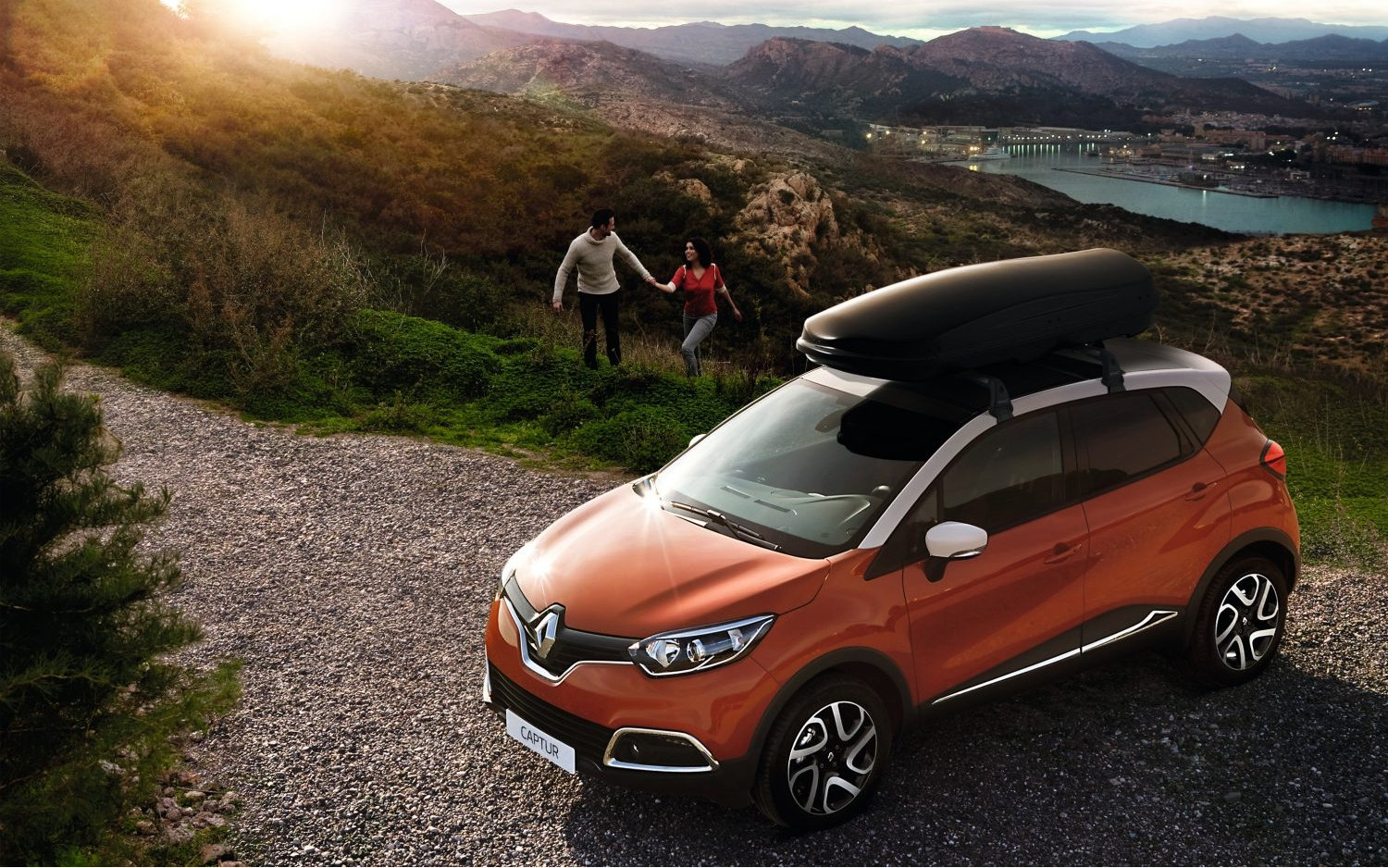
In essence, the Renault Captur is a Clio with a smattering of SUV traits and the style factor turned up. The result is a high-riding small hatchback that benefits from the added practicality of a sliding rear bench seat, plus supermini-like running costs and a variety of colourful interior and exterior themes that include a contrasting colour roof. The Captur was one of the first small SUV rivals to Nissan’s groundbreaking Juke, and it remains one of the best offerings in the class. Increasingly, buyers in this market also want to personalise their cars, and Renault offers a vast array of ways to customise your Captur, be it with different paint options or styling packs designed to make the Captur look like a rugged SUV.