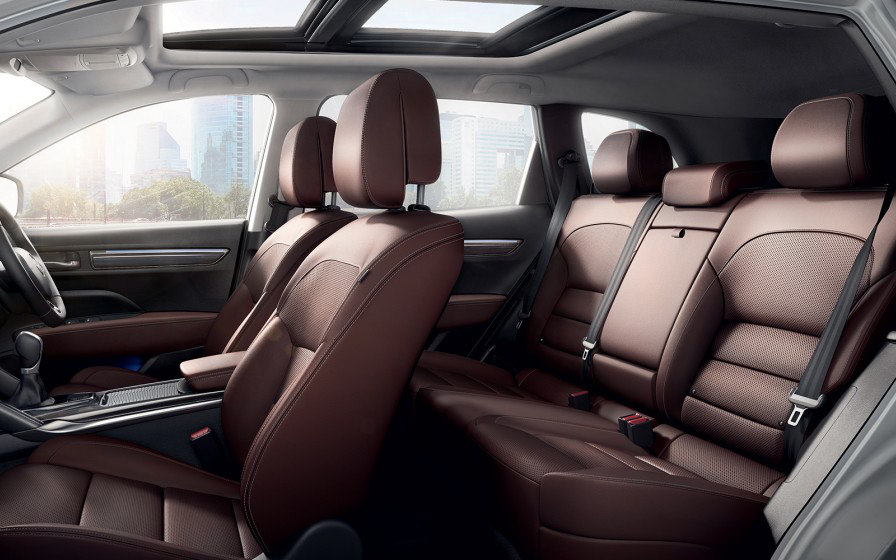
Pros • Cabin, load space • Fuel economy • Dash presentation
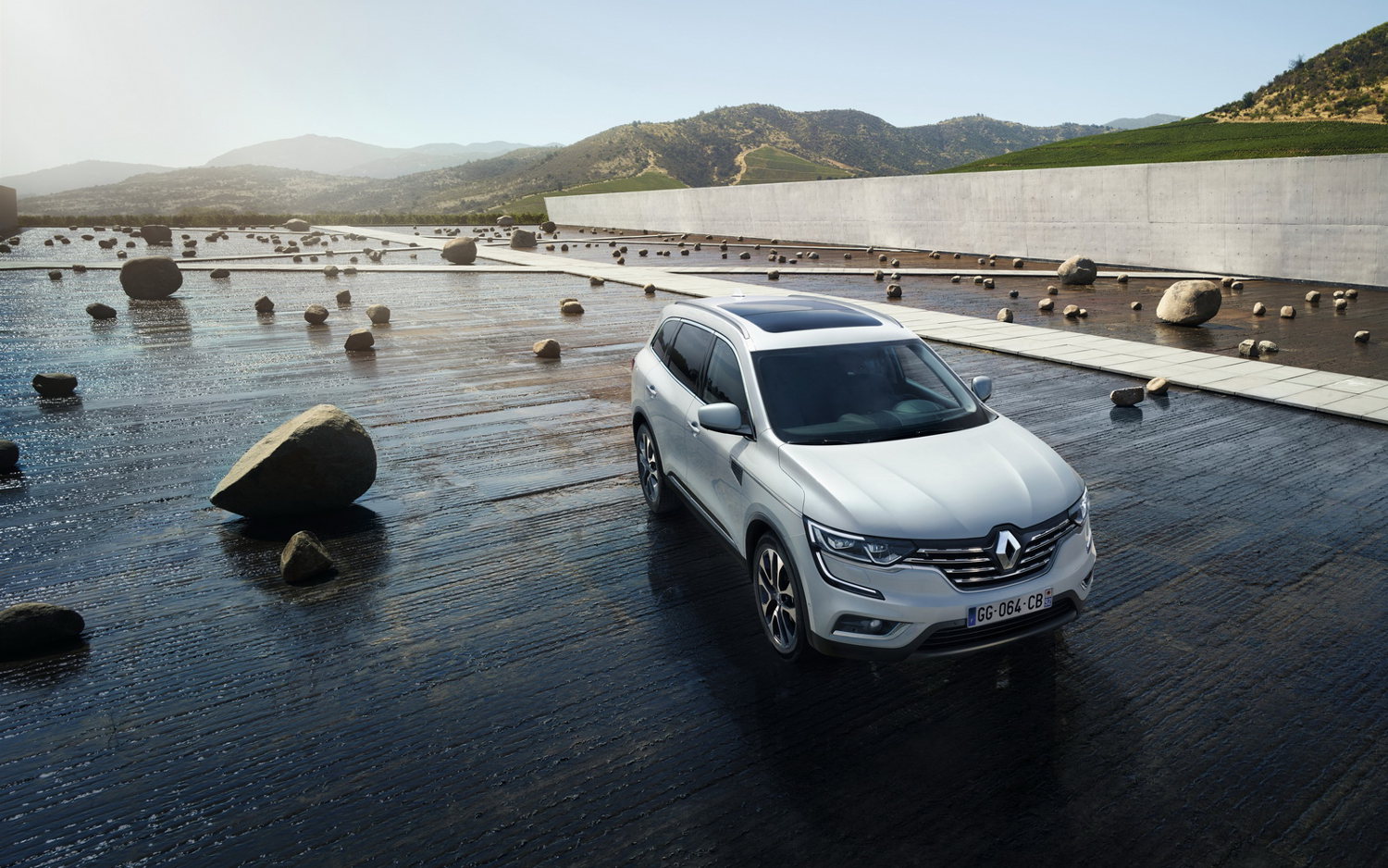
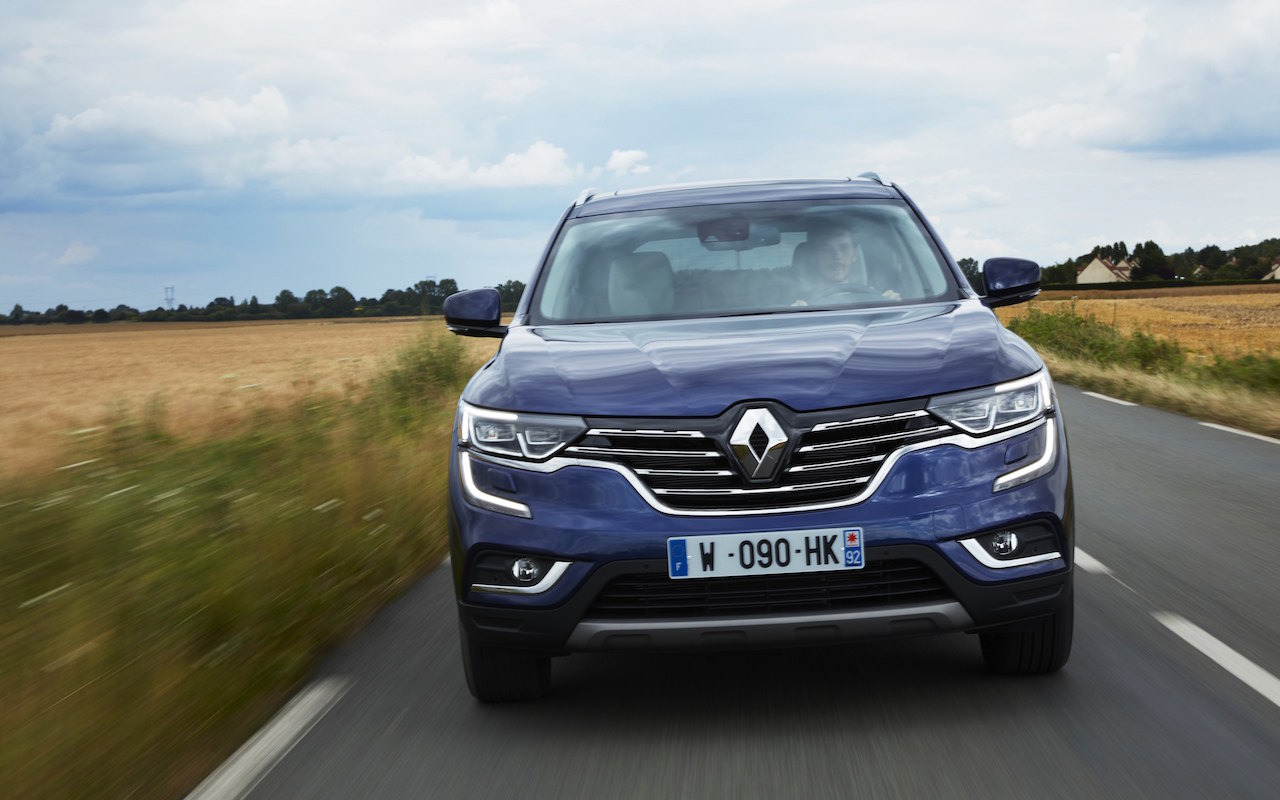
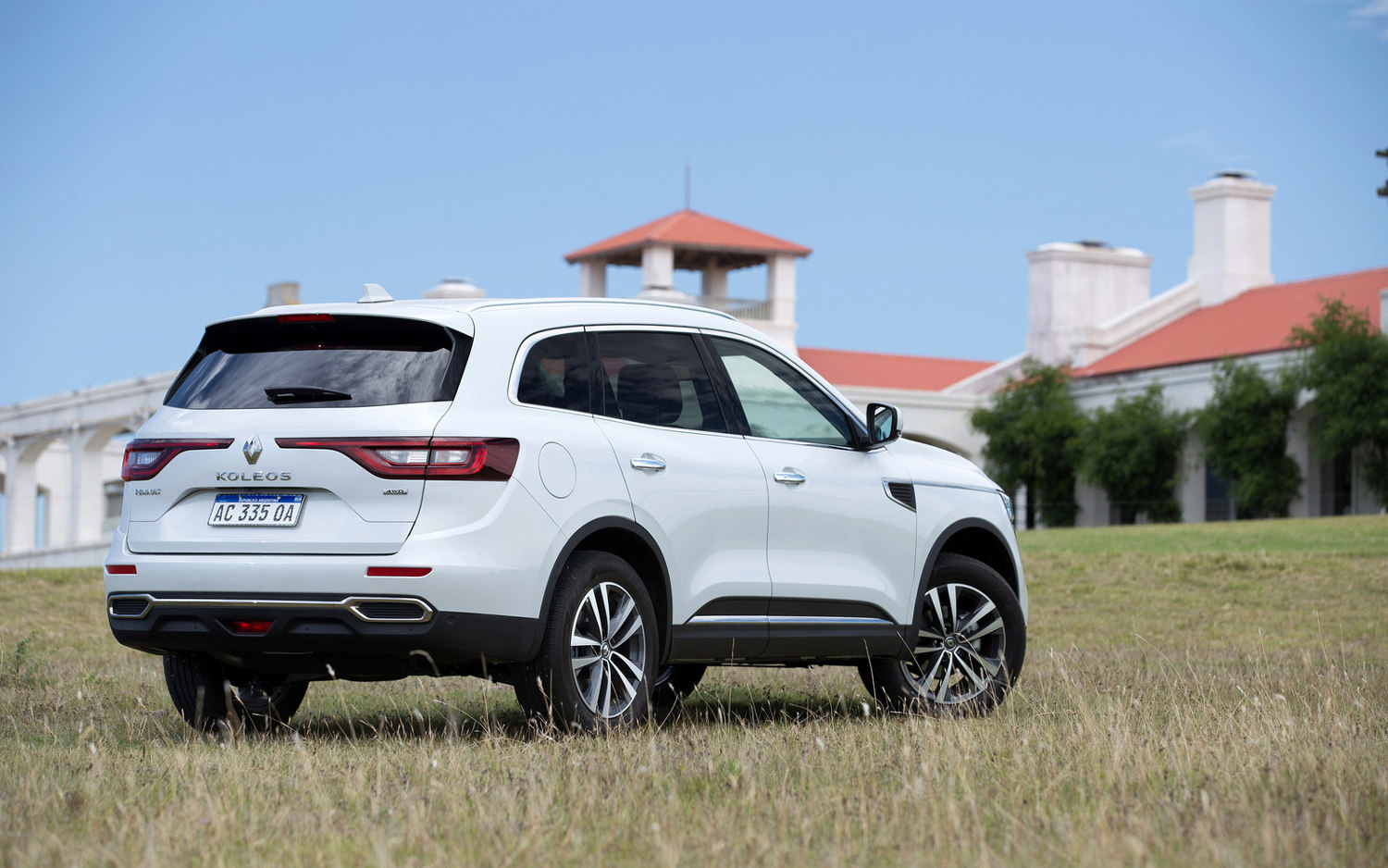
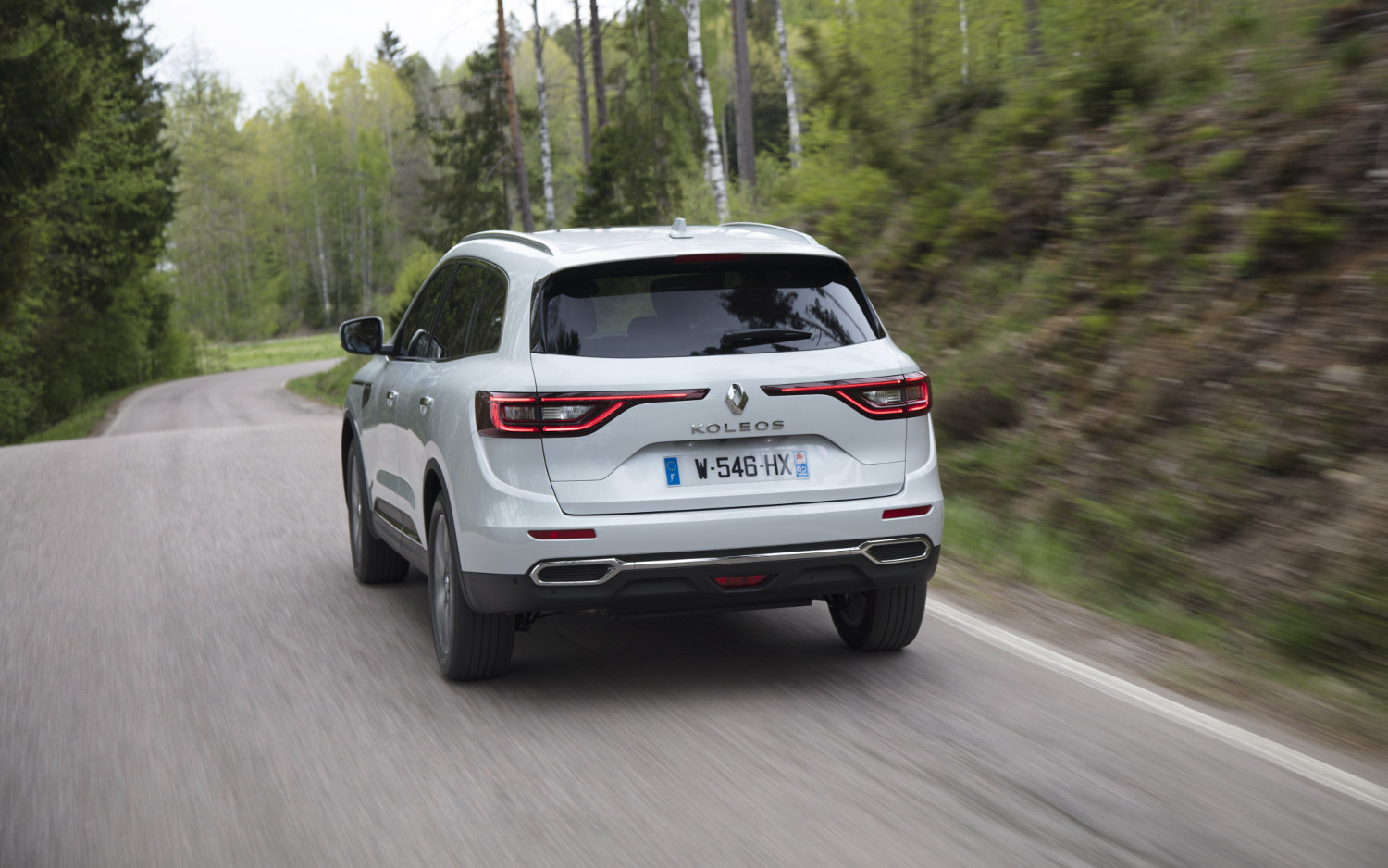
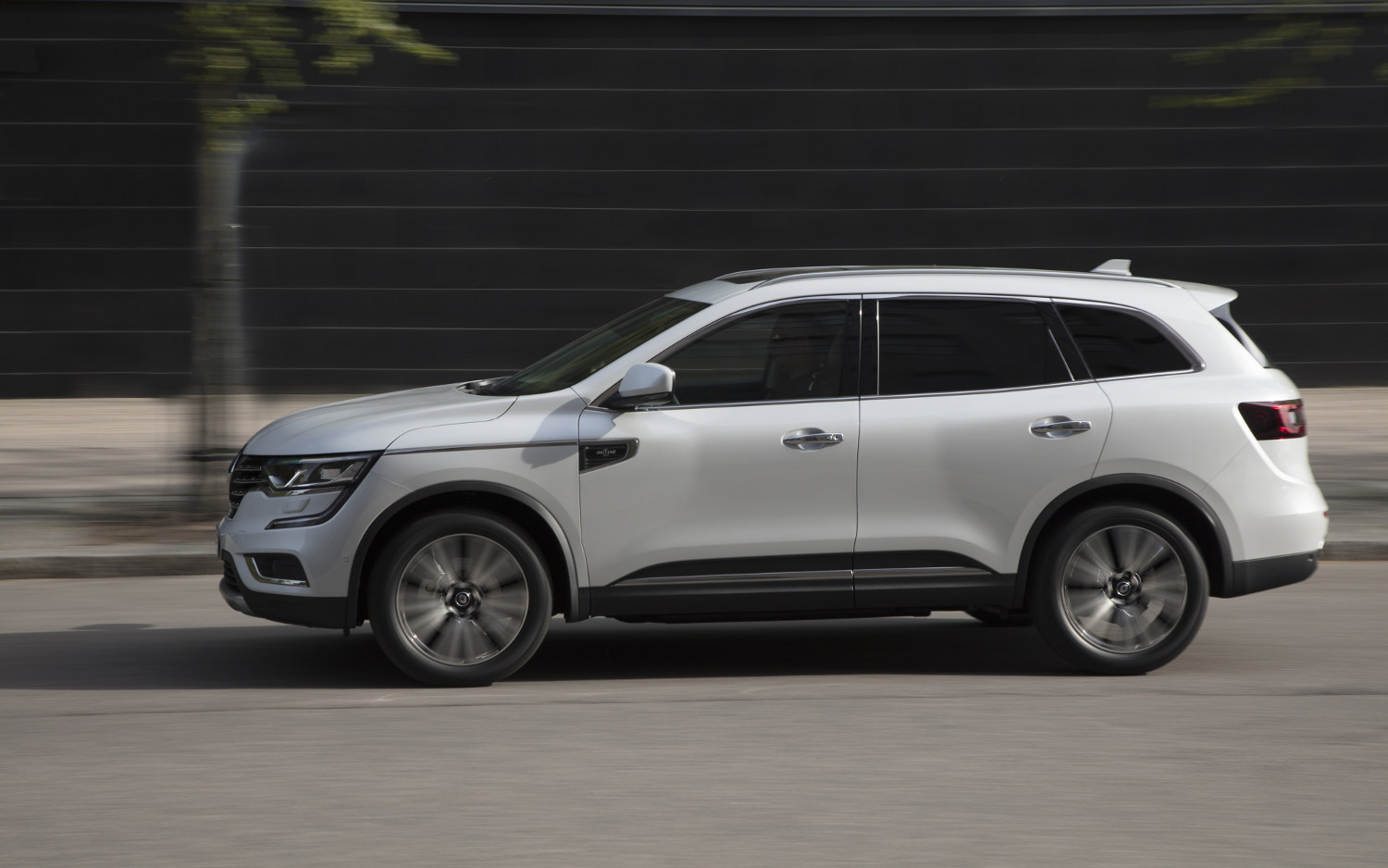
Cons • Noisy suspension • Flat seats • CVT characteristics The Koleos did what it was intended to do. It gave Renault a foothold in a hitherto unrepresented segment and, more importantly in Australia, it quickly became Renault’s biggest-selling model.If there was a major shortcoming with the second generation Koleos it was the lack of a diesel engine. The newcomer was exclusively powered by a hard-working 2.5-litre naturally-aspirated four-cylinder petrol engine producing a reasonable 126kW/226Nm and returning, in AWD form, a combined fuel consumption average of 8.3L/100km.But that’s all changed now. The long-awaited turbo-diesel option arrived in August 2017 to immediately bring more power and (a lot more) torque. At 130kW/380Nm it’s a true grunter which, at 6.1L/100km, also offers better fuel consumption, plus lower exhaust emissions (150g/km against the petrol version’s 192g/km).
Pros Noticeably more torque and better fuel economy from the diesel engine Big size equals excellent second-row space inside Competitively priced Good ownership credentials
Cons Powertrain not as seamless and effortless as the numbers suggest No quicker than cheaper front-drive petrol Koleos variants Wieldy SUV to manoeuvre and park Ho-hum infotainment system Lower braked towing rating than petrol versions The diesel clatter is also quite noticeable, though nothing like a deal-breaker, but it does harness the on-demand all-wheel-drive system's tractive talents better and more noticeably than the petrol engine does. And by maintaining fuel economy within a ballpark of its maker’s 6.1 combined cycle claim, it’s markedly more efficient by a couple of litres per hundred, particularly around town.
Pros Great exterior looks Nice enough to drive Good level of equipment
Cons Doesn't come with a seven-seat option Prices are a bit high Manual gearbox isn't the smoothest
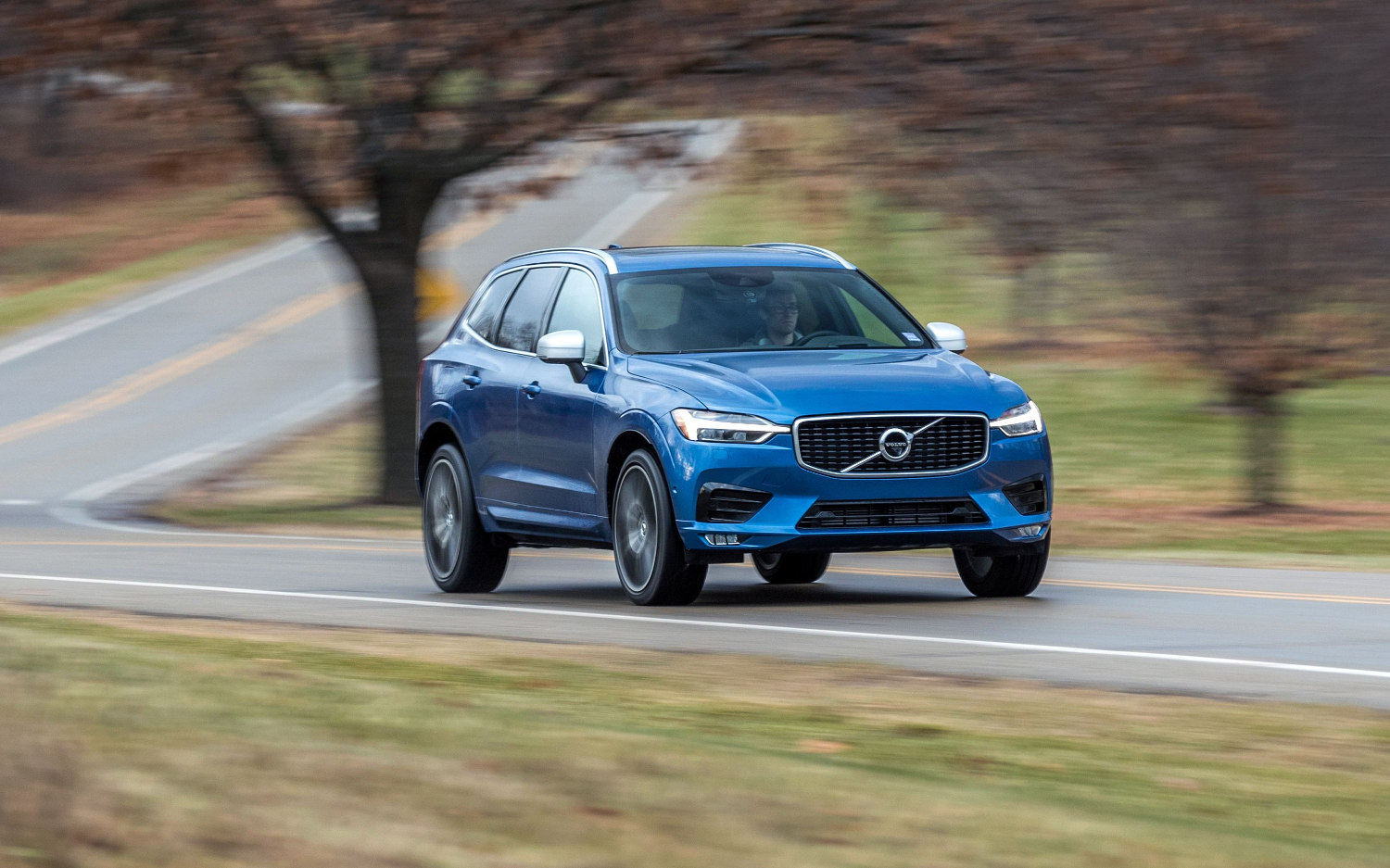
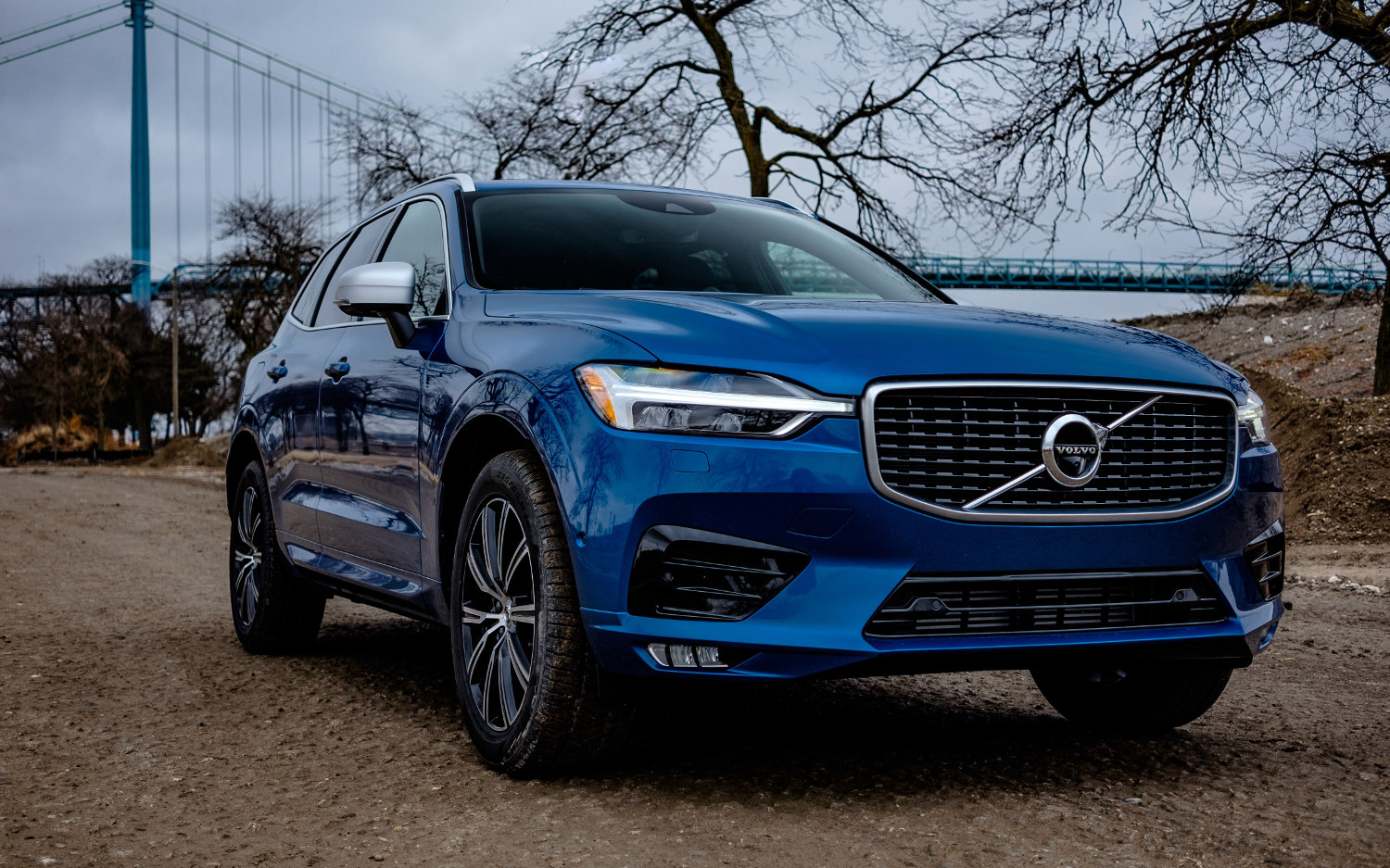
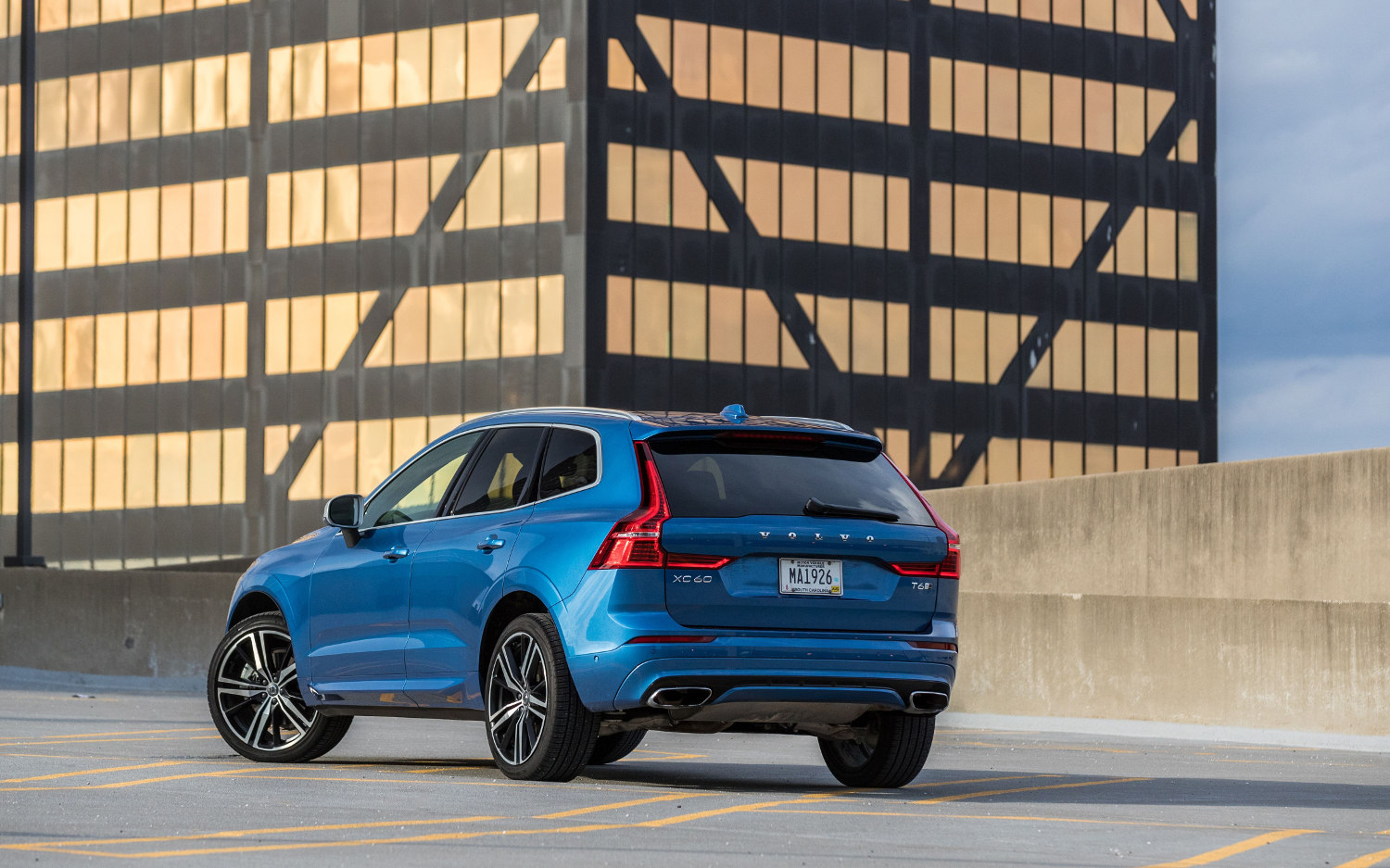
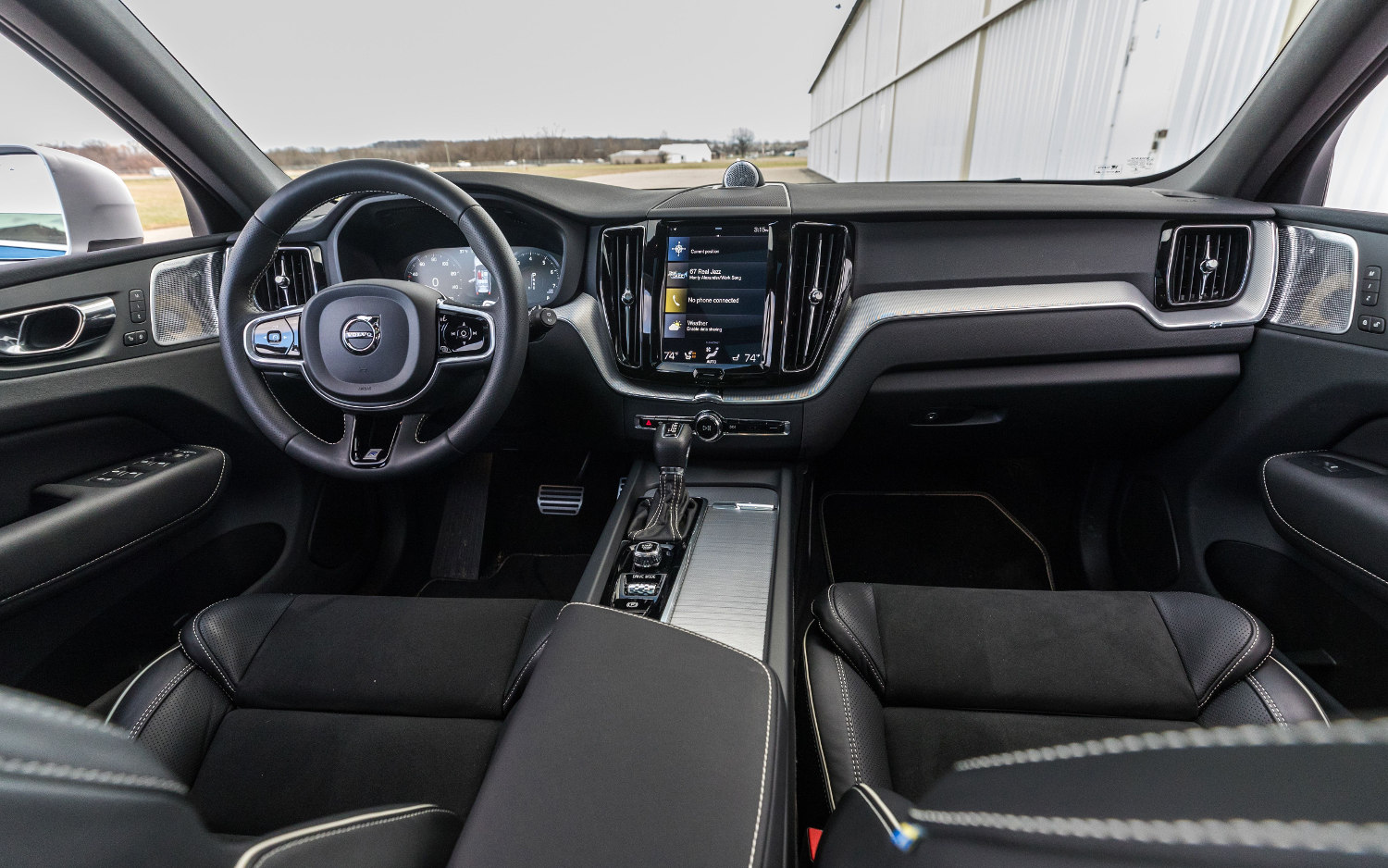
For 2019, the XC90 has no major powertrain updates but some new standard features and updated option packages. Every model now has updated infotainment software, third-row seating, heated washer nozzles, a 12-volt outlet in the cargo area, and four-zone climate control, among other things. The higher trim levels have a Harman/Kardon premium stereo, navigation, sun shades in the rear side windows, and a tailored dashboard and upper door panels. The headlight washing system and full LED headlights with automatic high-beams are no longer standard on the R-Design and Inscription.
Pros Astonishingly beautiful, solid driving dynamics, safety by Volvo.
Cons Can approach starter-home prices, minor powertrain flaws, base trim lacks the lineup's best features.
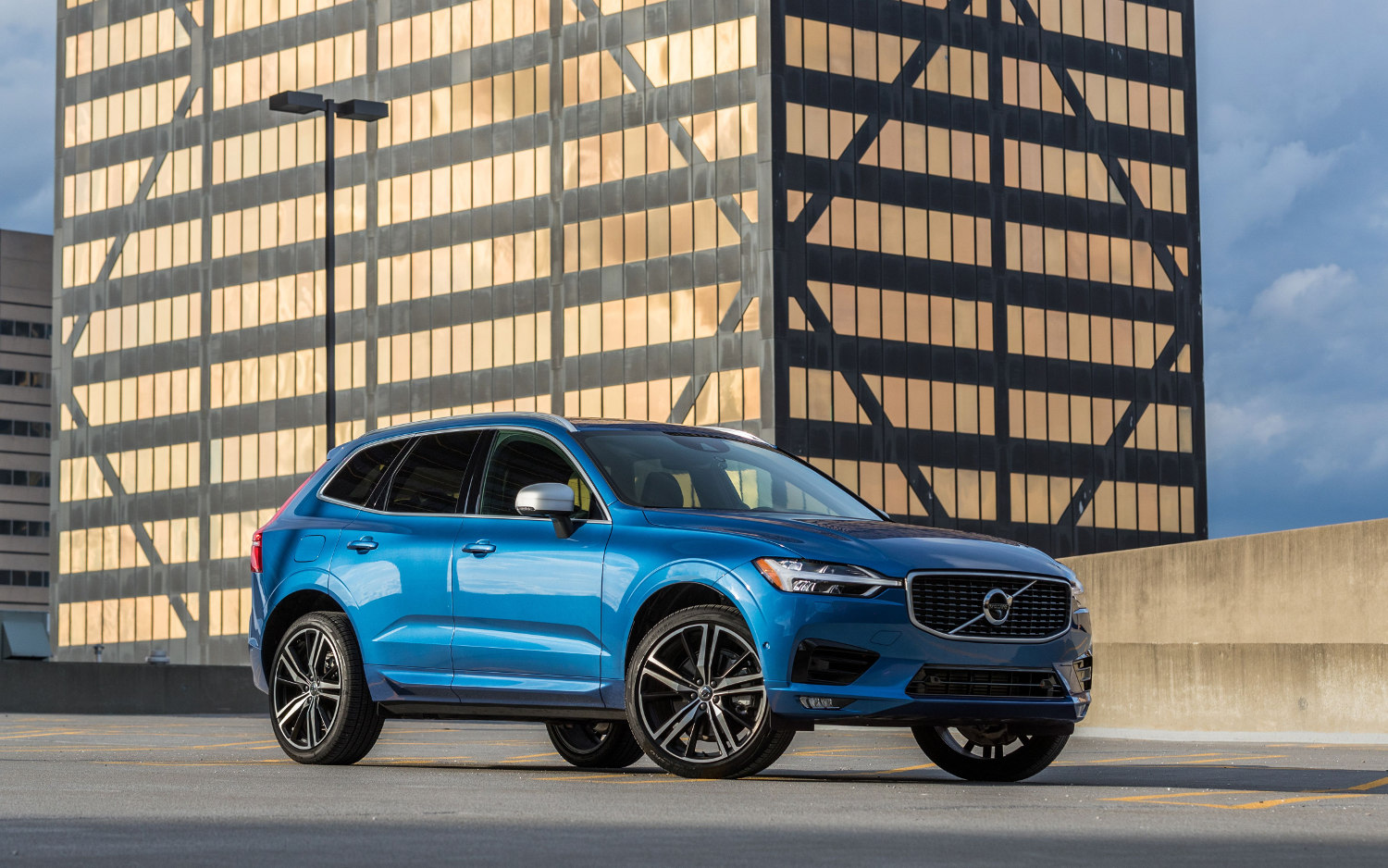
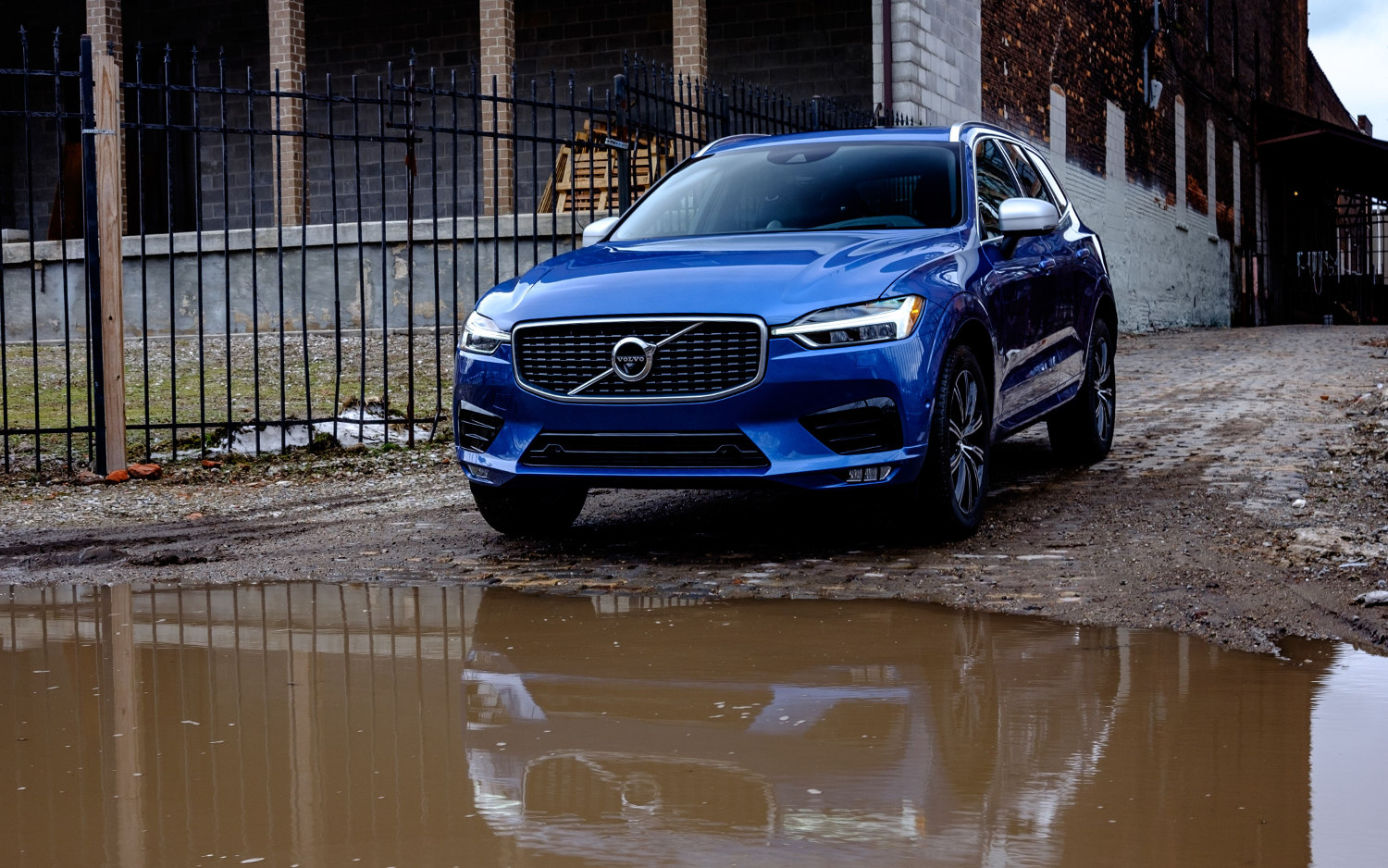
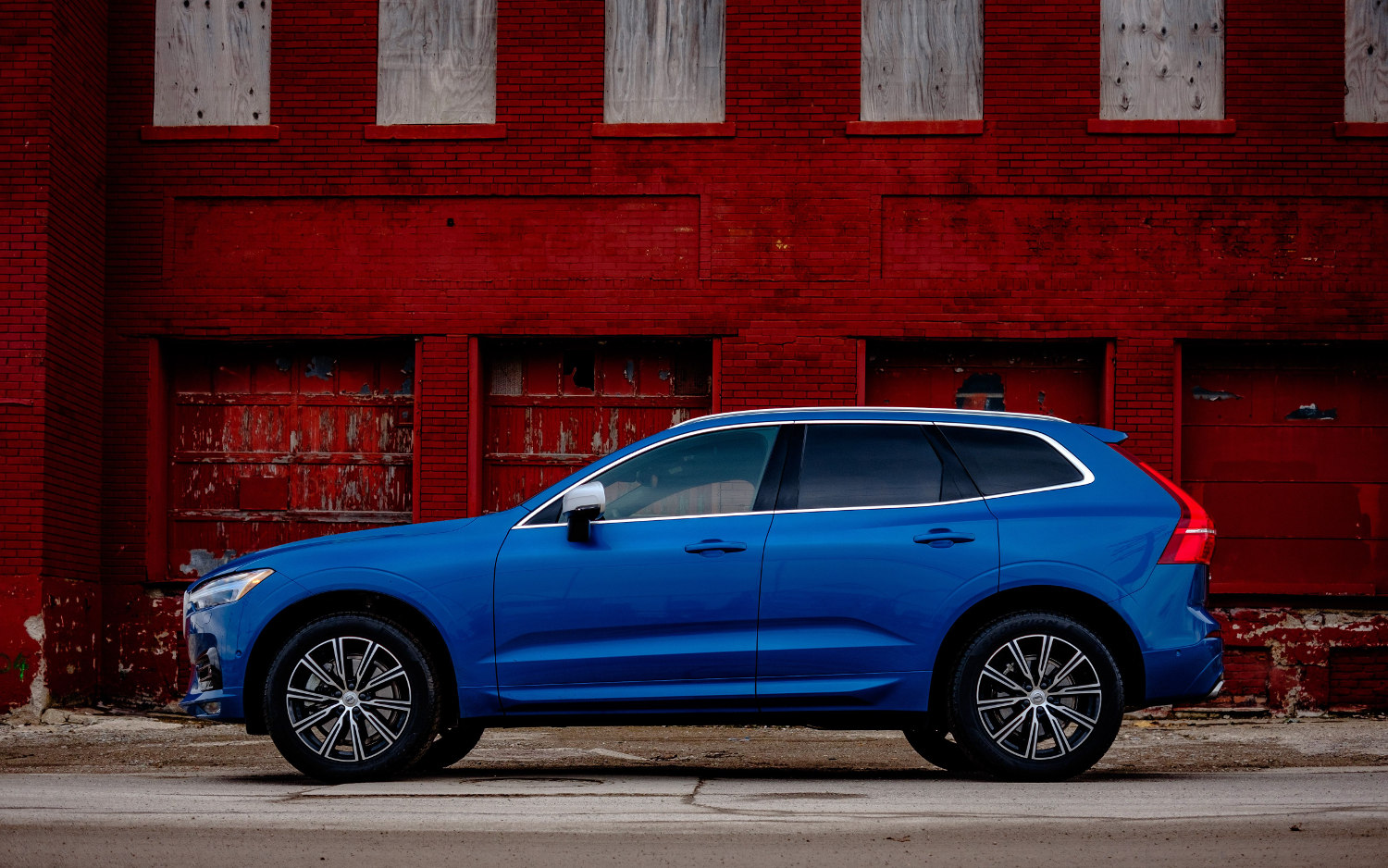
The 2019 Volvo XC90 is a standout effort from the Swedish brand, offering style, luxury, and practicality in a way many other luxury SUVs don’t.
Pros Svelte Swedish looks Less-is-more interior Tablet-like infotainment Wide variety of models and trims Standard safety tech
Cons Not worth six figures at top end Base powertrain lacks oomph Rear seats could use more support Questionable materials in places
The 2019 Volvo XC90 ranked #19 in Luxury Midsize SUVs. Currently the Volvo XC90 has a score of 8.0 out of 10 which is based on our evaluation of 35 pieces of research and data elements using various sources.
Pros Elegant interior quality Long list of standard safety and tech features Exceptional passenger space and cargo room
Cons Underwhelming base engine Unrefined transmission Below-average predicted reliability rating